Gutter Cleaning Hackettstown: Keep Leaves and Debris Under Control

If you own a home in Warren County, you already know how quickly the seasons show up on your roofline. A calm stretch in late summer can turn into a steady drop of oak and maple leaves in early fall. A winter thaw can reveal gutters packed solid with soggy debris. Then spring arrives, and what looked like a minor nuisance becomes overflowing water, stained siding, and mulch beds carved out by runoff. That cycle is exactly why gutter cleaning in Hackettstown deserves more attention than it usually gets.
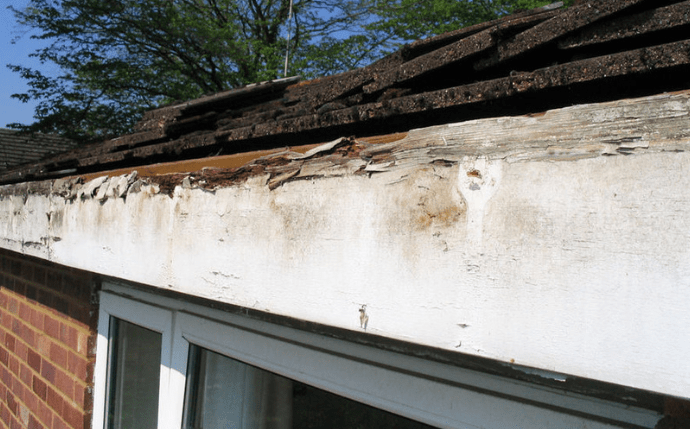
Gutters are easy to ignore because they sit just outside your daily line of sight. They do their job quietly until they stop doing it. At that point, the damage often shows up somewhere else first. You notice water near the foundation, peeling paint under the eaves, damp fascia boards, or a suspicious drip along the basement wall. The gutter itself may not seem dramatic, but the consequences can be expensive.
In a place like Hackettstown, where mature trees are common and the weather can swing hard between wet, frozen, and windy, gutters take a beating. Leaves, seed pods, twigs, shingle grit, and even bird nesting material can build up faster than many homeowners expect. Keeping that debris under control is not just routine maintenance. It is one of the simpler ways to protect a roof, siding, landscaping, and the structure beneath them.
Why clogged gutters create bigger problems than most people expect
A working gutter system is built around one simple idea: collect roof runoff and move it away from the house in a controlled path. When debris interrupts that path, water looks for another one. It spills over the front edge, backs up under shingles, leaks behind the gutter, or pools at the base of the home. None of those detours are good.
The first signs are often cosmetic. You may see black streaks on the gutter face, dirt splashed onto siding, or channels worn into flower beds below the eaves. Those clues matter because they point to repeated overflow. Given enough time, overflow saturates wood trim, encourages mold growth, and can shorten the life of paint and caulk. In winter, trapped water may freeze inside the gutter trough or at the roof edge, adding weight and creating conditions that contribute to ice dams.
Foundation trouble is another issue homeowners tend to underestimate. One clogged section dumping hundreds of gallons of roof runoff near a single corner can turn a dry perimeter into a muddy, shifting mess. Not every home will develop foundation damage, but chronic poor drainage stacks the odds in the wrong direction. Basement seepage, settled walkways, and soil erosion around the home often start with water that was never carried far enough away.
There is also the matter of the gutter system itself. Debris becomes heavy when wet. That extra load strains spikes, hangers, seams, and fasteners. A gutter packed with soaked leaves can begin to sag, pull away from the fascia, or twist enough to disrupt the intended slope. Once that pitch is off, even a partially cleaned gutter may still hold standing water. At that stage, cleaning alone may not be enough. You may be looking at resecuring sections or correcting alignment.
The Hackettstown factor
The need for gutter cleaning is not the same everywhere. Hackettstown homes deal with a mix of conditions that make regular service more important than a generic once-a-year reminder would suggest.
Tree cover is the obvious one. Many neighborhoods have established trees close to the home line. Oaks, maples, sweetgum, and pines all leave their mark in different ways. Broad leaves create dense mats that block downspouts. Pine needles weave together into stubborn clumps. Seed helicopters and blossom debris from spring can pack elbows and outlets long before fall leaves arrive.
Weather patterns add another layer. A dry week followed by a hard rain can flush loose debris into a tight blockage all at once. Windstorms push twigs and branches onto the roof. Winter freeze-thaw cycles turn damp gutter sludge into dense, icy buildup. By the time homeowners notice a problem from the ground, that obstruction may have been building for months.
Roof design also plays a role. A simple ranch with open rooflines is easier to manage than a taller home with multiple valleys, dormers, and varying gutter heights. Valleys concentrate runoff, and wherever water concentrates, debris tends to settle. Homes with second-story sections emptying onto lower roofs often see localized trouble spots. Those spots may clog even when the rest of the system looks fine.
What actually collects in gutters
People usually say “leaves,” but leaves are only part of the story. The material that causes trouble is often a layered mix. A dry top layer can disguise a compacted bottom layer that has been sitting there long enough to resemble soil. Once that happens, gutters can start growing things. It is not unusual to find moss, sprouting seedlings, or weed growth in neglected sections.
Shingle granules are another common component, especially on older roofs. A light dusting is normal over time, but those granules settle into downspout openings and combine with decomposing leaf matter to create a thick, abrasive sludge. That sludge sticks to the gutter bottom and takes more than a quick rinse to remove. Animal activity can make things worse. Birds pull in nesting material. Squirrels leave shell fragments and bits of insulation. In some areas, wasps set up under the lip where moisture and shelter meet.
This matters because different debris behaves differently. Dry leaves can be blown or scooped out quickly. Wet sludge needs to be lifted carefully so it does not just wash into a downspout and create a clog farther down. Pine-heavy properties need more frequent checks because needles bypass many casual cleaning methods. Homes near trees that drop small seeds or blossoms often need attention earlier in the season than homeowners expect.
The timing that works best for most homes
There is no perfect universal schedule, but most homes in this region benefit from at least two thorough cleanings a year. One usually makes sense after the bulk of fall leaf drop, and another in spring after winter debris and early seed litter have had their turn. That said, “twice a year” is only a starting point.
A heavily wooded property may need a third visit. A home with pine trees nearby may need monitoring year-round because needles do not politely wait for autumn. If you have had overflow before, or if one side of the house sits under dense canopy, it is worth checking those areas between scheduled cleanings rather than assuming the whole system is still clear.
The best timing depends on what surrounds the house and how the roof sheds water. Cleaning too early in fall can mean doing the job twice because late-dropping leaves arrive after the first pass. Cleaning too late in winter can leave clogs in place during freeze-thaw cycles, which is when damage tends to multiply. Good judgment beats a rigid date on the calendar.
What homeowners often notice first
The most obvious warning sign is water pouring over the edge during rain, but by the time you see that, the clog is usually well established. Earlier signs are subtler. A line of dark, damp grime under the gutter can indicate repeated drips. Plants growing from the gutter are a dead giveaway, though thankfully not a subtle one. You might also see birds paying unusual attention to one section, which sometimes points to trapped debris or standing water.
Inside the house, clues can appear where you would not immediately connect them to gutters. A damp basement corner after hard rain, a musty smell along an exterior wall, or peeling paint near upper trim can all trace back to poor drainage. Landscaped beds can also tell the story. If one area is always washed out while others stay intact, the downspout or gutter above it may not be moving water correctly.
One of the more misleading situations happens when gutters look fine from the driveway. From below, a gutter may appear empty because the top layer has dried out or because the debris sits mostly near the outlets and inside the downspouts. That is why visual checks from the ground have limits. They are useful, but not definitive.
The difference between a quick rinse and real gutter cleaning
Many homeowners have, at some point, sprayed a hose into a gutter and called it done. Sometimes that works for loose material. Often it does not. Real cleaning means physically removing accumulated debris, checking that outlets are open, flushing the system, and confirming that water actually exits through the downspouts and discharges away from the home.
The distinction matters because a clean-looking gutter with a blocked downspout is still a problem. So is a gutter that drains, but holds standing water because the pitch has shifted. Good service catches both issues. In practice, that means cleaning is not just about debris removal. It is also an inspection opportunity.
On homes that have gone too long between cleanings, the work can be more involved than homeowners anticipate. Packed lower layers sometimes need to be loosened by hand. Downspouts may need to be disconnected or snaked if flushing does not clear them. Hangers loosened by excess weight may need adjustment. If joints are leaking, those repairs are better handled after the trough is fully cleaned and dry.
DIY or professional service?
There is no need to pretend every homeowner must hire this out. Some single-story homes with easy access, solid footing, and minimal roof complexity are manageable for a careful owner. If you are physically comfortable on a ladder, use proper equipment, and understand the risks, DIY can make sense for simple maintenance.
The problem is that many homes are not simple. Two-story elevations, uneven ground, decks below gutter lines, overhead service wires, steep roof sections, and hidden rot around the fascia all raise the stakes. Ladder work is where routine maintenance stops being routine. Even people who are handy can get into trouble when trying to overreach to avoid moving the ladder one more time.
Professional gutter cleaning in Hackettstown often makes the most sense when the house is taller, the property is heavily wooded, or the gutters have been neglected long enough that a basic scoop-out will not solve the issue. It also helps when you want someone to spot the secondary problems, like loose hangers, separated seams, downspout discharge issues, or signs that roof runoff is overshooting the gutter altogether.
A good service visit is not glamorous, but it is methodical. Debris is removed, downspouts are tested, problem areas are identified, and the site is left reasonably clean. That last point matters. Few things frustrate homeowners more than paying for gutter cleaning and then finding a wet stripe of black sludge across the patio or flower beds full of gutter muck.
What a proper service call should include
Homeowners often ask what they should expect when hiring out the work. At a practical level, the basics are straightforward.
- Removal of leaves, twigs, sludge, and visible debris from gutters and accessible downspouts.
- Flushing or testing to confirm that water moves through the system instead of backing up.
- A check for loose sections, pitch problems, leaks at seams, and signs of damage near the fascia.
- Reasonable cleanup of debris removed from the roofline and work area.
- Clear communication if repairs or drainage corrections are needed beyond cleaning.
That does not mean every company handles every job the same way. Some include minor resecuring of loose fasteners. Some charge separately for clogged underground drain lines, detached downspouts, or gutter guard removal. It is worth asking what is covered before the work starts, especially on larger homes or properties with known trouble spots.
Gutter guards help, but they do not end maintenance
A lot of homeowners install guards expecting to cross gutter cleaning off the list forever. It rarely works that way. Guards can reduce the volume of material entering the gutter trough, and on some houses they do a decent job. They are especially helpful where broad leaves are the main issue. But no guard is magic.
Fine debris can still settle on top of guards and restrict flow at the edge. Pine needles can bridge openings. Seed pods and granules can slip through. Some guard systems make cleaning less frequent, but they may also make inspection more complicated because clogs are hidden underneath. I have seen guarded gutters overflow badly while looking perfectly tidy from the ground.
That does not make guards a bad investment. It just means they need to match the debris profile around the home and they need realistic expectations. On a property with mixed tree cover, guards often shift maintenance rather than eliminate it. The homeowner may clean less often, but still needs periodic checks and occasional service.
The cost question, without the sales pitch
Pricing depends on house size, height, gutter https://andersonoawb527.timeforchangecounselling.com/what-to-expect-from-a-gutter-cleaning-service-in-hackettstown length, roof complexity, accessibility, and how clogged the system is. A modest single-story home with straightforward access will usually cost far less than a tall home with multiple rooflines and neglected downspouts. If a crew has to deal with heavy compaction, difficult ladder setups, or repairs on top of cleaning, the price goes up for understandable reasons.
The cheapest option is not always the best value. A rushed service that clears visible debris but leaves downspouts clogged does not save money if you still get overflow in the next storm. On the other hand, not every home needs premium add-ons or a hard sell on full replacement. The best providers explain what they found, what truly needs attention now, and what can wait.
If you are comparing estimates, ask whether cleanup is included, whether downspouts are tested, and whether minor fixes are part of the visit. Those details matter more than a low headline number.
Small maintenance habits that reduce bigger problems
You do not need to turn gutter care into a hobby, but a few simple habits can keep surprises to a minimum.
Check your gutters after major windstorms, especially if you have overhanging branches. Watch where water goes during a hard rain at least once or twice a year. That five-minute look tells you more than a dry-weather glance ever will. Keep an eye on downspout discharge points so water is not dumping right at the foundation. If one section has caused problems before, treat it as a repeat offender and inspect it earlier than the rest.
Tree trimming can also make a noticeable difference. You do not need to remove every branch near the roof, but reducing overhang where practical cuts down on the amount of debris entering the system. It also limits branch rub against shingles and makes future cleaning easier.
When cleaning is not enough
Sometimes homeowners schedule a gutter cleaning hoping it will solve a drainage issue, only to learn the real problem is something else. The gutter may be too small for a concentrated valley. The pitch may be wrong because the fascia has shifted. A downspout may discharge into an underground line that is blocked downstream. Splash blocks may be missing, causing clean water to pool in the wrong place. On some roofs, the water comes off with enough force to overshoot the gutter entirely during heavy storms.
This is where experience matters. The fix is not always “clean it better.” It might be adding a downspout, correcting slope, sealing seams after cleaning, extending discharge farther from the house, or addressing a section of damaged fascia before rehanging the gutter properly. Good judgment means knowing when maintenance has crossed into repair.
For older homes in Hackettstown, this comes up more often than people think. Gutters can stay attached and still stop performing well. If overflow returns soon after a thorough cleaning, that is usually a signal to look deeper.
Why this is one of the more practical forms of home protection
Some home maintenance projects are discretionary. Gutter cleaning is not glamorous, but it sits in that useful category of relatively low cost, high consequence prevention. A couple of service visits a year can help avoid trim rot, siding stains, drainage issues, and the kind of hidden moisture problems that are far more expensive once they move inside.
It also protects the investments homeowners already make elsewhere. There is little sense in fresh mulch, careful landscaping, basement waterproofing work, or exterior painting if roof runoff is still spilling over clogged gutters every time it rains. Water is persistent. It will keep finding weak points until you manage it properly.
For homeowners thinking about gutter cleaning in Hackettstown, the right approach is usually simple: know your tree cover, pay attention to seasonal timing, do not ignore early warning signs, and treat the system as part of the home’s drainage plan rather than an afterthought attached to the roof edge. When leaves and debris stay under control, the rest of the house tends to fare much better.
Just Gutters LLC
Address: 262 Main St, Hackettstown, NJ 07840
Phone number: +12013319454
FAQ About Gutter Cleaning Hackettstown
How much should a gutter clean cost?
Professional gutter cleaning typically costs between $163 and $333, with a national average of around $210 to $250 for a standard-sized home.
What months should you clean gutters?
You should clean your gutters twice a year—once in late autumn (November to December) and once in late spring (April to May).
Is it worth paying for gutter cleaning?
Yes, paying for gutter cleaning is worth it because it prevents thousands of dollars in water damage, roof leaks, and structural repairs.